

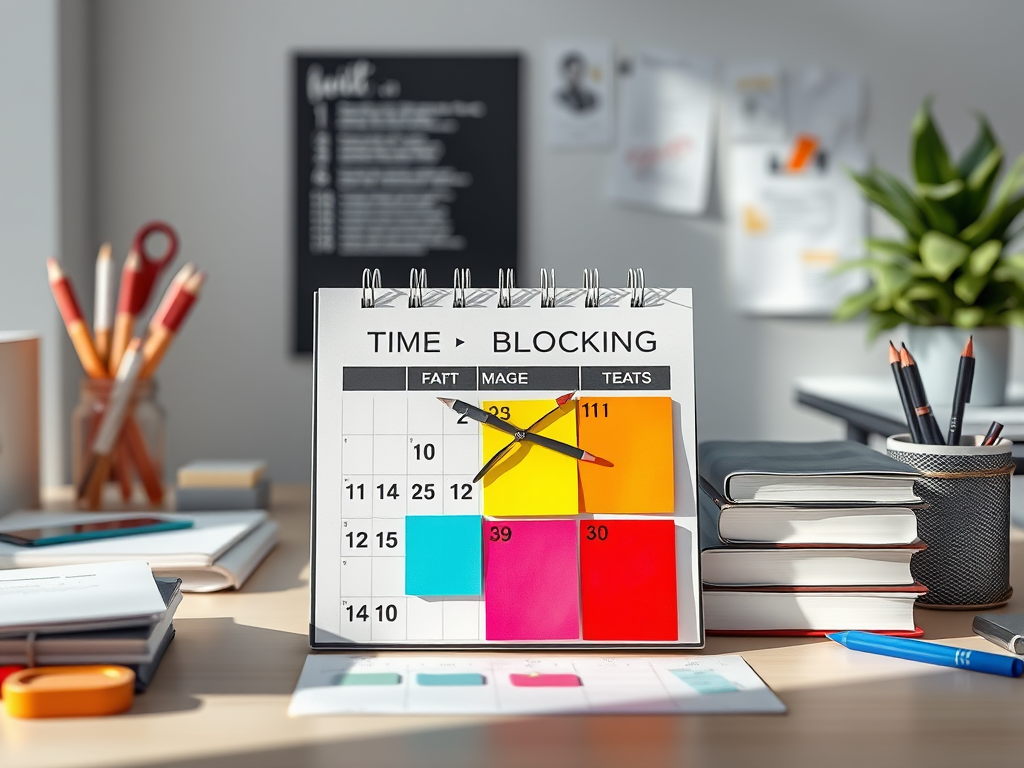
Picture this: Your phone buzzes with yet another unexpected call from a client. A showing pops up out of nowhere, and your inbox overflows with emails that demand attention right now. As a real estate agent, your day often feels like a whirlwind of reactions, leaving you exhausted and wondering where the time went. This chaos steals your focus from what truly builds your business.
Time blocking changes that. It lets you take charge of your schedule, shifting you from endless busywork to key tasks that drive sales and growth. In the fast-moving world of real estate, where deals can close or slip away in hours, time blocking stands as your best tool for control and success.
This guide hands you a clear path forward. You’ll get 10 practical strategies to start time blocking today. These steps fit the unique ups and downs of real estate, helping you protect your time and boost your income.
Why Time Blocking is Non-Negotiable for Real Estate Success
Real estate demands quick thinking and strong client ties, but without a plan, agents waste hours on low-value chores. Time blocking carves out space for what matters most, like chasing leads or sealing deals. It turns a scattered day into one with purpose, leading to higher earnings and less stress.
Agents who use time blocking often see their productivity rise by up to 30%, according to studies on focused work habits. In an industry hit by market shifts and urgent needs, this method keeps you ahead. You stop reacting and start leading your day.
Protecting Income-Producing Activities (IPAs)
Income-producing activities include calling prospects, following up on leads, and handling negotiations. These tasks directly fill your pipeline with deals. Admin work, like sorting papers or checking emails, can wait.
Time blocking puts IPAs first each day. Block out slots just for them, and guard those times fiercely. This way, you ensure leads don’t go cold and commissions keep coming in.
For example, if you skip prospecting for a surprise meeting, that lost hour costs potential sales. By scheduling IPAs early, you build a steady flow of business.
Reducing Decision Fatigue and Increasing Focus
Switching between tasks drains your brain fast. You face choices all day: answer this call or finish that contract? This mental tug-of-war leads to errors in big deals.
Time blocking sets your plan ahead of time. No more wondering what comes next. Your mind stays sharp for tough talks, like price haggling.
Think of it like a road map for your brain. With clear paths, you arrive at closings with full energy, not worn out from endless shifts.
Establishing Professional Boundaries and Predictability
Clients expect fast replies, but constant availability burns you out. Time blocking sets rules, like specific hours for calls. This builds trust through steady service.
You tell clients, “I’ll get back to you by 3 PM.” They respect your structure and plan around it. Your day gains rhythm, and you avoid after-hours surprises.
Over time, this predictability helps you say no to low-priority asks. You focus on high-impact work, which strengthens your reputation as a pro.
The Foundational Setup: Prepping Your Calendar for Success
Before you dive into strategies, build a strong base. Know your habits and goals first. This prep makes time blocking stick and work well in real estate’s busy flow.
Start small, but commit. A solid setup means less guesswork later. You’ll see quick wins in how you use your hours.
Conducting a Time Audit to Identify Time Wasters
Track every minute for a week. Note what you do, from calls to coffee breaks. Tools like Toggl or a simple notebook work great.
Look for patterns. Do you spend two hours on social media scrolls? Or chase emails that lead nowhere? This audit shows where time slips away.
Once you spot wastes, cut them. Redirect those minutes to lead gen or client prep. Agents often find 10-15 hours a week hidden in distractions.
Defining Your Ideal Weekly Business Blueprint
List your must-do tasks. Aim for 20 hours on lead generation and follow-ups. Add slots for training, like market updates.
Factor in real estate realities, such as open houses. Balance them with admin time, say two hours mid-week. This blueprint becomes your weekly guide.
Adjust as needed, but keep core blocks fixed. Your blueprint ensures growth tasks never get squeezed out by daily fires.
Selecting and Committing to Your Scheduling Tool
Pick a tool that fits your style. Google Calendar syncs with your phone for easy checks. Outlook suits teams with shared access.
If you prefer paper, grab a planner like the Full Focus Planner. Set a daily review habit, maybe at breakfast. Commit to one tool—no switching.
Test it for a month. The right choice makes blocking seamless, turning your calendar into a profit tool.
The 10 Essential Time Blocking Strategies for Real Estate Agents
These strategies form your daily toolkit. Each one targets a key part of your real estate work. Pick a few to start, then add more as you build the habit.
They adapt to client calls or market news. Use them to own your day and watch your business grow.
Strategy 1: The “Deep Work” Morning Block for Lead Generation
Start your day with 90 to 120 minutes of pure prospecting. No peeks at email or texts. Just calls, scripts, and new contacts.
This block taps your fresh energy. Mornings bring the best focus for cold outreach. You’ll hit your lead goals before distractions hit.
One agent doubled her listings by sticking to this. Protect it like a hot appointment.
Strategy 2: The Client Communication Batching Block
Set two or three 30-minute slots daily for replies. Handle all texts, emails, and quick calls in one go. Urgent stuff gets a fast triage.
Batching cuts constant interruptions. Your brain stays on track between blocks. Clients get timely answers without you glued to your phone.
Schedule these after deep work, like 10:30 AM and 4 PM. It frees up hours for bigger wins.
Strategy 3: The Transaction Management Power Hour
Pick one hour, say 2 PM to 3 PM, for paperwork only. Review files, draft contracts, and prep listings. No calls allowed.
This focused push keeps deals moving smooth. Errors drop when you zero in on details. Think of it as your deal-closing engine.
Agents save days of backlog with this. End the hour with a clean slate for tomorrow.
Strategy 4: The “Buffer Block” for Unexpected Showings and Urgent Needs
Reserve 30-minute buffers, one mid-morning and one afternoon. Use them for pop-up showings or quick fixes.
These slots absorb chaos without wrecking your plan. If nothing comes up, roll them into IPAs. It’s your safety net in a surprise-filled job.
Don’t fill them ahead. Let them stay open for real estate’s curveballs.
Strategy 5: The Geographical Farming Block
Block 45 minutes twice a week for farm work. Door knock, drop mailers, or study local comps in your target area.
This builds long-term leads in one neighborhood. Consistency turns strangers into clients over time. Pick a spot near your home for ease.
Track progress in your notes. Watch how this niche focus pays off in repeat business.
Strategy 6: The Marketing Content Creation Block
Dedicate 60 minutes weekly to content. Film short videos, write posts, or plan social shares. Treat it as a firm meeting.
Batching sparks ideas and saves time. Post-ready assets keep your brand visible without daily stress. Use tools like Canva for quick edits.
One video a week can draw in buyers. This block fuels your online presence.
Strategy 7: The “Fueling & Focus” Personal Block
Carve out 30 to 60 minutes for lunch or a walk. No work talk. Eat, move, or breathe deep.
This recharge prevents afternoon slumps. Real estate grinds you down without breaks. You’ll return sharper for client meets.
Make it non-negotiable. Your energy drives your success, so fuel it right.
Strategy 8: The Buyer Consultation/Appointment Prep Block
Before any new client meet, block 30 minutes prior. Review their needs, pull comps, and tweak your pitch.
Prep turns nerves into confidence. Clients sense your readiness, building trust fast. Skip this, and you risk fumbled questions.
Do it the day before for big ones. This edge closes more deals.
Strategy 9: The Vendor and Network Nurturing Block
Set 20 minutes weekly to call partners. Chat with lenders, title folks, or past clients. Keep it light, not salesy.
Strong ties speed up transactions. Referrals flow from real connections. This block nurtures your support circle.
Rotate contacts each time. You’ll see smoother closings and fresh leads.
Strategy 10: The End-of-Day Review and Tomorrow Block
Use the last 15 minutes to check wins. Clear your desk, note loose ends, and block tomorrow’s tasks.
This wrap-up clears your head for home. No overnight worries. Planning ahead sets a strong start.
End with gratitude for one achievement. It keeps motivation high.
Overcoming Implementation Hurdles in a Reactive Industry
Real estate throws curveballs, like sudden offers or market dips. Sticking to blocks takes practice. But push through, and the rewards stack up.
Common roadblocks include guilt over delayed replies or team pushback. Address them head-on for lasting change.
Dealing with High-Priority Client Interruptions
When a big call hits mid-block, pause politely. Say, “I’m wrapping a key task for another client. I’ll call at 2:15 sharp.”
This sets expectations without rudeness. Most understand pros have schedules. Use voice mail to capture details.
Over time, clients adapt. Your boundaries earn respect and better service.
The Myth of Perfection: Embracing “Good Enough” Scheduling
Blocks guide, not rule. Miss one? Slide the task to a buffer. Don’t quit the whole system.
Perfection stalls progress. Aim for 80% adherence at first. Build from there.
Celebrate small sticks. One week in, you’ll feel the shift in control.
Leveraging Your Team (Admin/Assistant) for Block Protection
Train your assistant to screen calls. They book around your IPAs, like lead blocks. Act as your first line.
Give them scripts: “The agent’s in a deep focus now. Best slot is 3 PM.” This frees you to shine.
If solo, use auto-replies. Team or not, protection boosts your output.
Conclusion: Your Calendar, Your Commission Check
Time blocking links straight to your earnings. Guard IPAs, cut fatigue, and set boundaries for a thriving practice. Start with the first three strategies today—deep work, batching, and power hour—for fast gains.
Your schedule shapes your success. Implement these 10 strategies, and watch deals flow easier. For more help, grab our free printable time blocking template below. Sign up now to join our webinar on scaling your real estate game. Take control—your next commission awaits.

 RCOO Home- Life & Health Solution
Leave a comment